

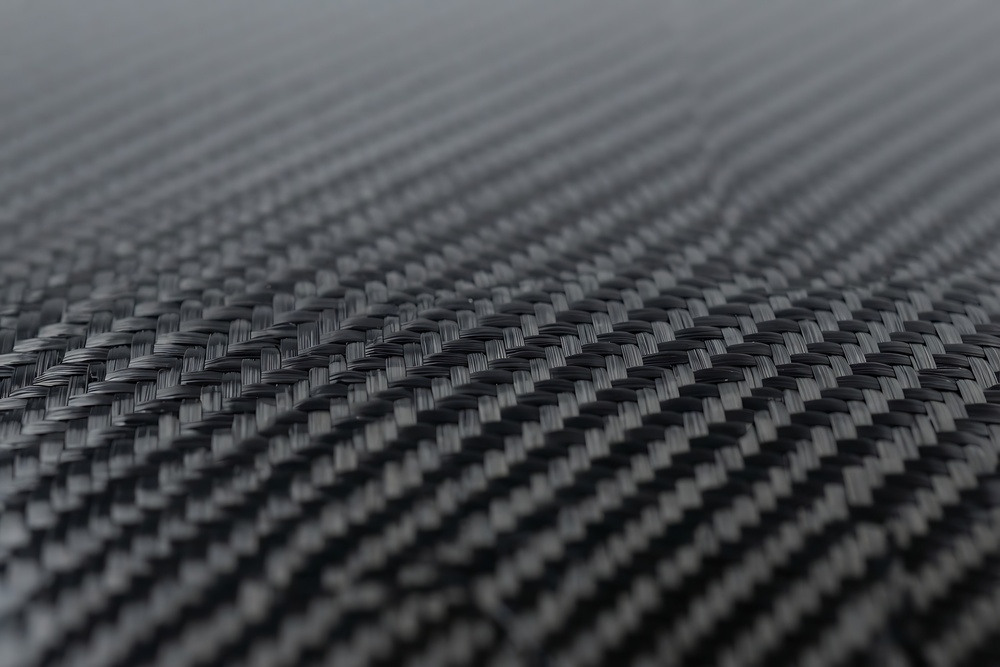
Designing aircraft parts is an art and a science in equal measure. When it comes to construction, engineers not only have to think about the shape and size of the component, the loads it will experience, and the environment it will operate in, but also about the materials used to build it. Two aerospace prepregs may seem identical with the same fiber and the same kind of resin. However, small details may produce enormous differences after the part has been cured. Below, some of those differences are discussed.
Resin Chemistry
There is no doubt that one of the key parameters of a prepreg is its chemistry and the properties of the resin used to make it. An epoxy resin formulation can include a base resin, hardeners, tougheners and other additives according to the experts at Axiom Materials, one of the best carbon fiber prepreg manufacturers (axiommaterials.com/composite-prepregs) in the country. Resin chemistry determines such parameters of a finished product as toughness, ability to resist high temperatures, moisture, chemicals, etc.
Fiber Type
Carbon fiber is widely used in structural aerospace prepregs. It can be subdivided into three types – standard, intermediate, and high modulus. All three fibers vary in their strength-to-modulus ratio; the high modulus fibers are usually stronger than other types but more brittle and expensive. The sizing of the fibers is also important for the process because it can be compatible or incompatible with the resin matrix used.
Resin Content
Saying that resin content is important when discussing the properties of the prepreg would actually be an understatement. There are several factors contributing to this statement, including excessive weight of the material because of high resin content or insufficient quantity of resin in places where it is required due to low resin content. Small variations in the amount of resin used can influence both the weight and the mechanical characteristics of the laminate.
Storage and Out Time
Indeed, despite the fact that prepregs of today are more advanced than they used to be at any time in the past, most of them are still required to be stored in a frozen state in order to prevent premature curing. Additionally, each prepreg has an out time. Out time is the permitted cumulative time at a specified room temperature before curing; tack life concerns how long the material remains sufficiently sticky for lay-up. As a result, the quality and characteristics of similar products can vary greatly based on whether they have been stored properly or not.
Cure Cycle
The process of curing includes heating the prepreg, usually in an autoclave or in an oven to harden the resin. Each prepreg requires a certain temperature range and time of treatment. Also, ramp rates (the rate at which temperature rises during curing) are crucial in the process. If the cure cycle is not observed strictly, the part may fail to achieve its optimum properties. Today’s industry provides affordable products like out-of-autoclave prepregs, but they must be handled with care to prevent voids from forming.
Conclusion
There is certainly a lot more to a prepreg than what meets the eye at first glance. Two products may contain the same type of fibers and similar resins, but small deviations in their chemistry, resin content, storage, out time, and cure cycle may result in totally different performance characteristics of the final laminate. It is obvious that aircraft manufacturers will need to conduct proper testing of potential materials to choose the suitable ones for the components they need. With an experienced supplier and following all recommendations, the performance of each part can be guaranteed.
