

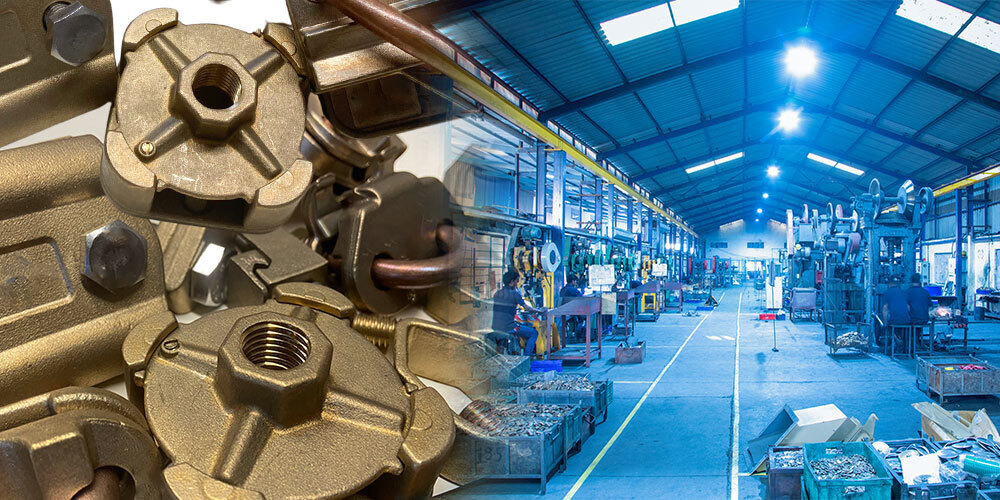
The marine sector operates in some of the most extreme settings on the planet. Ships, marinas, offshore platforms, and coastal infrastructure are constantly exposed to seawater, humidity, temperature changes, and mechanical stress. To ensure safety and dependability, producers rely on materials that can withstand harsh circumstances without sacrificing durability.
This is one reason a high-quality brass alloy for marine manufacturing remains an important choice for engineers and fabricators. Combining strength, corrosion resistance, and excellent workability, brass alloys support a wide range of marine applications while helping reduce maintenance and replacement costs.
Harsh Marine Environments Require Specialized Materials
Unlike traditional industrial environments, marine constructions must survive constant environmental challenges. Material selection has a direct impact on the lifespan and performance of equipment exposed to coastal and offshore environments.
Some of the most common marine issues are:
- Saltwater exposure
- Constant moisture
- High humidity.
- Heavy mechanical loads.
- UV Radiation
- Temperature changes.
Materials intended for these settings contribute to increased operational efficiency and long-term reliability.
Brass Alloys Offer Multiple Performance Benefits
Copper-based alloys have been utilized in marine engineering for generations because they combine multiple desirable qualities into a single material.
Key benefits include:
- Excellent corrosion resistance.
- High mechanical strength.
- Good machinability.
- Easy fabrication.
- attractive finish.
- Long service life
These properties make brass alloys appropriate for both structural and decorative marine uses.
Marine Hardware Depends on Reliable Materials
Many marine components are continuously used and exposed to the environment. Using robust alloys helps to retain structural integrity while lowering maintenance requirements.
Common maritime applications include:
- Boat fittings
- Marine fasteners
- Pump components
- Valve assemblies
- Propeller Hardware
- Dock accessories
Brass alloys offer the ideal combination of durability and flexibility for these demanding applications.
Structural Tubing Supports Marine Construction
Marine construction projects frequently rely on tubing supplies that offer both strength and design flexibility. Structural tubing can be used for a wide range of business and recreational applications.
Typical applications include:
- Marina Frameworks
- Dock Construction
- Safety railings
- Boarding platforms
- Support structures.
- Waterfront Architectural Features
Brass and bronze tubes are ideal for marine infrastructure projects due to their strength and fabrication flexibility.
Corrosion Resistance Helps Extend Equipment Life
Saltwater is one of the harshest conditions for industrial materials. Corrosion can lower equipment performance and raise maintenance costs over time.
Marine-grade brass alloys are commonly chosen because they offer:
- Protection from rust
- Improved durability.
- resistant to wear
- Reliable long-term performance.
- Stable mechanical properties
Choosing corrosion-resistant materials can help marine operators save time and money on maintenance.
Custom Fabrication Promotes Modern Marine Design
The marine sector is evolving with innovative boat designs and waterfront improvements. Many projects demand specialist components rather than conventional items.
Custom fabrication could be used for:
- Luxury Yacht Construction
- Commercial vessels
- Marina Developments
- Offshore installations.
- Waterfront Architecture
- Specialized maritime equipment
Versatile alloys enable manufacturers to build components that meet specific technical and design requirements.
Material Quality Supports Precision Manufacturing
Marine equipment frequently requires precise tolerances and consistent material consistency. High-quality alloys make machining and fabrication easier while helping businesses meet production standards.
Important considerations include:
- Consistent material properties
- Precision dimensions.
- Fabrication Efficiency
- Machining Performance
- Structural reliability
Reliable material selection promotes easier manufacturing processes and higher product quality.
Marine Innovation Is Driving Material Demand
Advances in marine technology continue to open up new potential for specialty materials. Modern vessels and infrastructure projects demand components that combine performance and manufacturing flexibility.
Emerging applications include:
- Smart marina systems
- Recreational watercraft
- Commercial Shipping Equipment
- Offshore Renewable Energy Projects
- Coastal infrastructure
Brass alloys continue to adapt to evolving industry needs while preserving their reputation for dependable performance.
Sustainability is becoming increasingly important.
The marine sector is increasingly concerned with sustainable construction and long-lasting materials. Durable alloys can help to reduce the frequency of replacements while also supporting responsible resource management.
Copper-based alloys are frequently appreciated for their:
- Have lengthy operational lifespans.
- Can be recycled.
- require comparatively modest maintenance.
- Perform well under tough conditions.
These characteristics make them suitable for modern marine manufacturing applications
Choosing the Right Material Matters
Choosing materials for marine applications requires balancing a number of essential criteria, including:
- Corrosion Resistance
- Strength
- Fabrication requirements
- Environmental exposure.
- Maintenance requirements
- Product Lifespan
Careful material selection enables manufacturers to develop dependable marine equipment capable of operating in demanding circumstances.
Final Thoughts
Marine manufacturing demands materials that can survive some of the harshest operational conditions while remaining strong and reliable. Brass alloys are still trusted in the industry because they combine corrosion resistance, durability, and manufacturing versatility in one material.
Whether utilized for marine hardware, structural tubing, dock building, offshore equipment, or custom fabrication projects, a high-quality brass alloy for marine manufacturing remains a crucial answer for modern maritime engineering and durability.
