

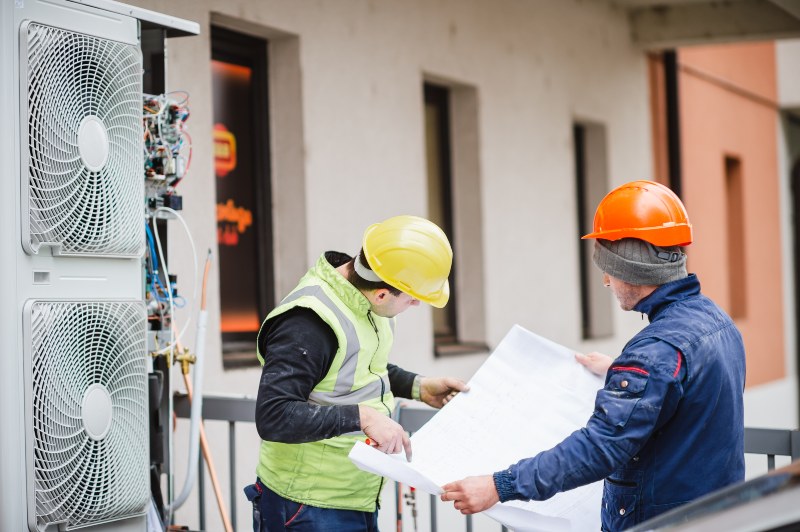
Is your office feeling more like a sauna than a productive workspace? Are customers complaining about the heat when they should be browsing your products? Overheating in a commercial space isn’t just uncomfortable; it can impact productivity, customer satisfaction, and even your bottom line. Finding the right solution to your climate control needs is essential, and understanding your options is the first step. When the temperature rises, knowing about quality solutions for commercial air conditioning becomes crucial.
Don’t sweat it – this guide will walk you through everything you need to know to choose the perfect cooling system for your business. We’ll explore different types of systems, factors to consider, and tips for keeping your cool – literally and figuratively. Let’s dive in and discover how to create a comfortable and productive environment for your employees and customers alike.
Understanding your commercial air conditioning needs
Before you start looking at specific air conditioning units, it’s important to assess your needs. What works for a small shop might not be suitable for a large office building. Consider these factors to help narrow down your options.
size and layout of your space
The square footage of your commercial space is a primary factor in determining the size and type of air conditioning system you’ll need. A larger space will require a more powerful unit or multiple units to effectively cool the entire area. The layout also matters; open-plan offices might benefit from ducted systems, while smaller, individual offices could be better served by split systems.
Think about the number of rooms, the height of the ceilings, and any areas that might be particularly prone to heat, such as server rooms or kitchens. These considerations will help you calculate the cooling load required for your space.
climate and insulation
Perth summers can be brutal, so a robust air conditioning system is a must. However, the specific climate and the insulation of your building will influence the type of system that’s most efficient. If your building has poor insulation, you’ll need a more powerful unit to compensate for heat gain. Similarly, if your space is located in a particularly sunny area, you might want to consider a system with higher cooling capacity.
Also, consider the humidity levels. Some air conditioning systems are better at dehumidifying than others, which can make a significant difference in comfort levels, especially during those humid summer months.
budget and energy efficiency
Your budget will naturally play a significant role in your decision. While it’s tempting to opt for the cheapest option upfront, consider the long-term costs associated with energy consumption and maintenance. Energy-efficient systems might have a higher initial cost, but they can save you money in the long run by reducing your electricity bills.
Look for systems with high energy efficiency ratings (EER) and consider features like programmable thermostats and zoning controls, which can help you optimise energy usage and reduce waste. Also, factor in the cost of installation and ongoing maintenance when calculating your total budget.
Types of commercial air conditioning systems
Now that you have a better understanding of your needs, let’s explore the different types of commercial air conditioning systems available. Each type has its own advantages and disadvantages, so it’s important to choose one that’s well-suited to your specific requirements.
split systems
Split systems are a popular choice for smaller commercial spaces, such as individual offices, shops, and restaurants. They consist of an indoor unit and an outdoor unit, connected by refrigerant lines. Split systems are relatively easy to install and offer individual temperature control for each room or zone.
They are also energy-efficient and quiet, making them a good option for spaces where noise levels are a concern. However, split systems might not be suitable for larger spaces that require a more comprehensive cooling solution.
ducted systems
Ducted systems are ideal for larger commercial spaces, such as office buildings, retail stores, and warehouses. They consist of a central air conditioning unit that distributes cool air through a network of ducts and vents. Ducted systems provide consistent temperature control throughout the entire space and can be easily zoned to allow for different temperature settings in different areas.
While ducted systems require more extensive installation than split systems, they offer superior cooling performance and energy efficiency for larger spaces. They can also be integrated with air purification and ventilation systems to improve indoor air quality.
packaged units
Packaged units are self-contained air conditioning systems that house all components in a single unit. They are typically installed on the roof or outside the building and are connected to the ductwork. Packaged units are a good option for commercial spaces that don’t have room for an indoor unit or that require a more robust cooling solution.
They are also relatively easy to install and maintain, making them a cost-effective choice for many businesses. However, packaged units can be noisier than split systems and ducted systems, so they might not be suitable for spaces where noise levels are a concern.
vrf systems
Variable Refrigerant Flow (VRF) systems are a type of multi-split system that allows for individual temperature control in multiple zones. VRF systems are highly energy-efficient and offer precise temperature control, making them a good option for commercial spaces that require a flexible and customisable cooling solution.
They are also relatively quiet and offer advanced features like heat recovery, which can further improve energy efficiency. However, VRF systems are more complex and expensive to install than other types of air conditioning systems.
Choosing the right commercial air conditioning system
Selecting the right air conditioning system can feel overwhelming, but by considering your specific needs and the characteristics of each system type, you can make an informed decision. Here are some tips to help you choose the perfect cooling solution for your business.
consider your long-term needs
Think about your future plans for your business. Are you planning to expand your space? Will your cooling needs change over time? Choosing a system that can adapt to your changing needs will save you money and hassle in the long run.
For example, if you anticipate adding more offices or expanding your retail space, a ducted system with zoning capabilities or a VRF system might be a good investment. These systems allow you to easily adjust the cooling capacity and temperature settings to accommodate your growing business.
Get professional advice
Consulting with an experienced hvac services provider is crucial for making the right decision. A professional can assess your space, evaluate your cooling needs, and recommend the most suitable system for your budget and requirements. They can also provide expert installation and maintenance services to ensure your system operates efficiently and reliably.
Don’t hesitate to ask questions and seek clarification on any aspect of the system. A reputable provider will be happy to explain the pros and cons of each option and help you make an informed choice.
prioritise energy efficiency
Energy efficiency should be a top priority when choosing a commercial air conditioning system. Look for systems with high EER ratings and consider features like programmable thermostats, zoning controls, and heat recovery. Investing in an energy-efficient system will not only save you money on your electricity bills but also reduce your environmental impact.
Also, consider the long-term maintenance costs associated with the system. A well-maintained system will operate more efficiently and last longer, saving you money in the long run. Regular servicing and filter replacements are essential for maintaining optimal performance.
don’t forget about installation and maintenance
The commercial air conditioning installation and maintenance of your air conditioning system are just as important as the system itself. Proper installation ensures that your system operates efficiently and reliably, while regular maintenance prevents breakdowns and extends the lifespan of your equipment. Choose a provider that offers comprehensive installation and maintenance services to protect your investment.
Ask about warranty options and service agreements to ensure that you’re covered in case of any issues. A reputable provider will stand behind their work and offer ongoing support to keep your system running smoothly.
Tips for maintaining your commercial air conditioning system
Once you’ve chosen and installed your air conditioning system, it’s important to maintain it properly to ensure optimal performance and longevity. Here are some tips for keeping your system in top condition.
regular filter replacements
Dirty air filters can restrict airflow and reduce the efficiency of your air conditioning system. They can also lead to the buildup of dust and allergens, which can negatively impact indoor air quality. Replace your air filters regularly, typically every one to three months, depending on the type of filter and the air quality in your area.
Check your filters monthly and replace them when they appear dirty or clogged. Using high-quality filters can also improve air quality and reduce the frequency of replacements.
professional servicing
Schedule regular servicing with a qualified HVAC technician to inspect and maintain your air conditioning system. A professional can identify and address any potential issues before they become major problems, ensuring that your system operates efficiently and reliably.
During a service visit, the technician will typically clean the coils, check the refrigerant levels, inspect the electrical components, and lubricate any moving parts. Regular servicing can also help extend the lifespan of your system and prevent costly breakdowns.
keep outdoor units clear
Make sure that the outdoor unit of your air conditioning system is free from obstructions, such as plants, debris, and snow. These obstructions can restrict airflow and reduce the efficiency of your system. Trim any nearby vegetation and remove any debris that accumulates around the unit.
Also, consider installing a protective cover over the outdoor unit during the off-season to prevent damage from weather elements. This can help extend the lifespan of your equipment and keep it in good condition.
monitor energy usage
Keep an eye on your energy bills to identify any potential issues with your air conditioning system. A sudden increase in energy usage could indicate a problem, such as a refrigerant leak or a malfunctioning component. If you notice a significant increase in your energy bills, contact a qualified HVAC technician to inspect your system.
Also, consider using energy monitoring tools to track your energy usage and identify areas where you can improve efficiency. This can help you optimise your cooling strategies and reduce your energy costs.
Keeping your office cool
Maintaining a comfortable temperature in the workplace is essential for employee productivity and well-being. A well-designed and properly maintained office air conditioning system can help create a more pleasant and productive work environment.
By considering the size and layout of your office, the climate, and your budget, you can choose the right system for your needs. Regular maintenance and proper usage will ensure that your system operates efficiently and reliably, keeping your employees cool and comfortable all year round.
Frequently asked questions
how often should i service my commercial air conditioning system?
It’s generally recommended to service your commercial air conditioning system at least once a year, or more frequently if you operate in a dusty or humid environment.
what are the signs that my air conditioning system needs repair?
Signs that your air conditioning system needs repair include reduced cooling capacity, unusual noises, strange smells, and increased energy bills.
how can i improve the energy efficiency of my air conditioning system?
You can improve the energy efficiency of your air conditioning system by replacing air filters regularly, scheduling professional servicing, using programmable thermostats, and sealing any air leaks in your building.
what size air conditioning system do i need for my commercial space?
The size of air conditioning system you need depends on the square footage of your space, the layout, the climate, and the insulation. A qualified HVAC technician can assess your needs and recommend the appropriate size system.
what are the benefits of zoning my air conditioning system?
Zoning your air conditioning system allows you to control the temperature in different areas of your commercial space independently, improving energy efficiency and comfort levels.
