

Introduction
Logistics has become a critical part of modern commerce. Every product that reaches a customer depends on a series of carefully coordinated activities, from sourcing and storage to transportation and final delivery.
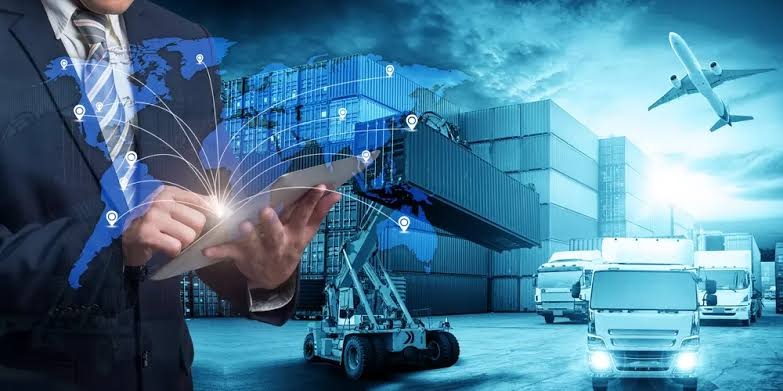
As businesses become more digital, logistics is also changing. Technology, data, automation, and improved planning are helping companies manage shipments more efficiently while responding to rising customer expectations. Understanding these changes can help businesses create stronger and more reliable operations.
What Is Logistics?
Logistics is the organized management of goods, materials, and information as they move from one location to another. It includes transportation, warehousing, inventory control, packaging, order fulfillment, and distribution.
The objective is to make sure the right products reach the right destination at the appropriate time and in suitable condition.
For example, when someone purchases a product online, logistics may begin with inventory stored in a warehouse. The item is then picked, packed, assigned to a carrier, transported, tracked, and delivered to the customer.
Why Logistics Is Important in Modern Commerce
It Keeps Products Moving
Manufacturers, retailers, wholesalers, and customers all depend on a consistent flow of goods. Without effective logistics, products can become delayed or unavailable.
It Supports Business Growth
As a company receives more orders, its logistics system must be able to handle increasing volumes. Efficient processes make it easier to expand without creating unnecessary operational problems.
It Influences Customer Experience
Customers often judge a business by whether their orders arrive accurately and on time. Reliable logistics can improve trust and encourage repeat purchases.
It Helps Manage Costs
Transportation, storage, labor, and inventory all affect profitability. Better planning can help businesses control these expenses.
Important Components of Logistics
Transportation
Transportation moves products between suppliers, warehouses, stores, businesses, and customers. Companies choose transportation methods according to distance, urgency, product requirements, and budget.
Warehousing
Warehouses provide space for storing products before they are distributed. Modern warehouse operations focus on organization, safety, speed, and inventory accuracy.
Inventory Control
Inventory control helps businesses determine what products are available, where they are located, and when replenishment may be required.
Packaging
Packaging protects products during handling and transportation. Good packaging can reduce damage while making storage and shipping more efficient.
Distribution
Distribution connects stored products with their final destinations. It can include shipments to retailers, wholesalers, business customers, or individual consumers.
How Digital Technology Is Transforming Logistics
Technology has made logistics more connected and data-driven.
Real-Time Shipment Tracking
Tracking systems can provide information about shipment locations and progress. This gives businesses greater visibility and allows customers to receive more accurate delivery information.
Automated Inventory Management
Digital inventory systems can record stock movements and provide alerts when inventory levels change. This can reduce manual errors and improve planning.
Route Optimization
Software can help businesses identify efficient transportation routes based on distance, traffic, delivery requirements, and other factors.
Data Analytics
Businesses can analyze logistics data to identify patterns in delivery times, transportation expenses, inventory movement, and customer demand.
The Role of Automation
Automation is becoming increasingly useful in warehouses and distribution operations. Automated systems can assist with sorting, labeling, picking, packing, and inventory movement.
The purpose of automation is not simply to make operations faster. It can also reduce repetitive work, improve consistency, and help employees focus on tasks that require judgment and coordination.
Example: A Growing Online Business
Imagine a small online retailer that begins with a few dozen orders each week. At first, the owner may manage inventory and shipping manually.
As sales increase, this approach can become difficult. Orders may be misplaced, inventory records may become inaccurate, and shipments may be delayed.
The company can improve its logistics by introducing organized storage locations, digital inventory tracking, standardized packaging procedures, and shipment monitoring.
These changes allow the business to handle more orders without creating the same level of confusion.
Common Logistics Problems
Poor Planning
Weak planning can result in unnecessary transportation costs, stock shortages, and delivery delays.
Inaccurate Inventory
If inventory records do not match actual stock, businesses may accept orders for products that are unavailable.
Inefficient Routes
Poor transportation planning can increase fuel consumption, travel time, and delivery expenses.
Warehouse Congestion
Disorganized storage can make it difficult for employees to find products and prepare orders efficiently.
Unexpected Disruptions
Weather conditions, supplier problems, transportation interruptions, and sudden changes in demand can affect logistics operations.
How Businesses Can Improve Logistics
Analyze Current Processes
Businesses should examine each stage of their logistics operation and identify where delays, mistakes, or unnecessary costs occur.
Improve Communication
Clear communication between suppliers, warehouse teams, transportation providers, and customers can prevent many avoidable problems.
Keep Inventory Organized
Products should have clear storage locations and accurate records. Regular inventory checks can identify discrepancies early.
Use Appropriate Technology
Businesses should choose technology based on their actual needs rather than adopting systems simply because they are popular.
Measure Performance
Useful performance measures may include delivery accuracy, order processing time, transportation costs, inventory turnover, and return rates.
Sustainable Logistics
Sustainability is becoming an important consideration for logistics operations. Businesses can reduce waste and resource consumption through better route planning, efficient packaging, shipment consolidation, and improved vehicle utilization.
For example, combining several compatible deliveries into one transportation trip may reduce unnecessary journeys while also lowering operating expenses.
Sustainable practices can therefore support both environmental goals and operational efficiency.
Future Trends in Logistics
The future of logistics is likely to involve greater automation, improved data analysis, more accurate forecasting, and increasingly connected transportation systems.
Businesses will also need to remain flexible. Customer expectations can change quickly, and companies that can adapt their logistics processes are often better positioned to respond to new opportunities and challenges.
The focus will continue to move toward visibility, efficiency, reliability, and smarter decision-making.
FAQs About Logistics
What does logistics include?
Logistics commonly includes transportation, warehousing, inventory management, packaging, order processing, distribution, and returns.
Why is logistics important for e-commerce?
E-commerce businesses depend on logistics to store products, process orders, deliver packages, track shipments, and manage returns.
How can technology improve logistics?
Technology can improve inventory accuracy, shipment visibility, route planning, warehouse operations, and business decision-making.
What is logistics efficiency?
Logistics efficiency means completing the movement and storage of goods reliably while using time, money, labor, and resources effectively.
Can logistics affect customer loyalty?
Yes. Accurate and dependable deliveries can create a positive customer experience, while repeated delays or incorrect shipments can reduce trust.
Conclusion
Logistics is much more than transporting products from one location to another. It is a coordinated system involving storage, inventory, transportation, packaging, distribution, technology, and communication.
In the digital age, businesses have more tools than ever to improve logistics performance. By combining good planning with accurate data, organized operations, suitable technology, and reliable communication, companies can reduce costs and deliver better service.
A strong logistics system gives businesses the foundation they need to operate efficiently, respond to changing demand, and meet modern customer expectations.
