

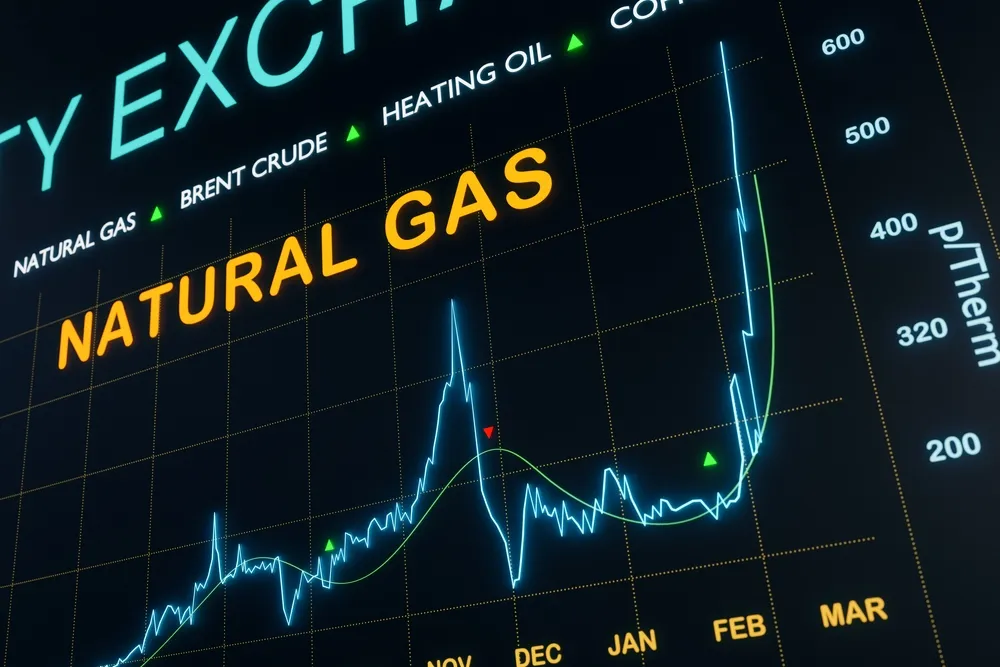
Natural gas has long been a cornerstone of the global energy market, serving as a vital fuel for electricity generation, heating, and industrial processes. Its critical role in both developed and emerging economies ensures that price movements attract significant attention from traders and investors alike.
For those seeking to gain exposure to natural gas without directly owning physical commodities, financial instruments like futures and contracts for difference (CFDs) offer a flexible and efficient pathway. Understanding how to navigate these tools can unlock opportunities while helping manage associated risks.
Understanding Natural Gas as a Commodity
Before diving into trading strategies, it is essential to grasp the fundamentals of natural gas. It is a hydrocarbon that forms naturally on Earth and is primarily composed of methane. Global demand for natural gas fluctuates based on seasonal heating needs, industrial consumption, and broader energy market dynamics. Additionally, geopolitical factors, storage levels, and natural disasters can create sudden shifts in supply and demand, leading to price volatility.
For traders, this volatility presents both opportunities and risks. Natural gas markets are known for sharp price swings, which can be influenced by weather forecasts, economic data, and energy policy changes. Therefore, any trading approach should consider both macroeconomic trends and micro-level supply-demand factors to make informed decisions.
Futures Contracts: A Traditional Approach
Futures contracts are standardised agreements to buy or sell a specific quantity of a commodity at a predetermined price on a future date. They are traded on regulated exchanges, offering transparency and liquidity. Natural gas futures are commonly traded on exchanges such as the New York Mercantile Exchange (NYMEX), providing access to detailed market data and historical pricing trends.
One of the main advantages of futures is their ability to hedge against price risk. For example, energy companies may use futures to lock in costs for their gas purchases, mitigating exposure to sudden price spikes. Similarly, traders can take speculative positions, aiming to profit from anticipated price movements.
However, futures trading requires careful capital management. Since these contracts are leveraged instruments, small price movements can lead to significant gains or losses. Traders must consider contract size, margin requirements, and settlement terms before entering positions. Mastery of technical analysis, coupled with awareness of market news, can enhance decision-making and reduce the likelihood of unexpected losses.
CFDs: Flexibility and Accessibility
Contracts for difference (CFDs) offer an alternative route for trading natural gas without the need to own the underlying commodity. CFDs are derivative instruments that track the price of natural gas, allowing traders to speculate on both rising and falling markets. Unlike futures, CFDs are often available through online brokers and require lower capital outlays, making them accessible to a broader range of investors.
A key benefit of CFDs is their flexibility. Traders can open positions of varying sizes, choose short or long positions, and manage exposure through stop-loss and take-profit orders. This adaptability allows for tailored strategies that suit different risk appetites and investment horizons. However, like futures, CFDs are leveraged, and leverage can magnify both profits and losses. A disciplined approach to risk management, including position sizing and monitoring market conditions, is essential.
Strategies for Trading Natural Gas
Successful trading in natural gas—whether via futures or CFDs—depends on a clear strategy. Seasonal trends provide a useful starting point. For instance, natural gas prices often rise during winter months due to increased heating demand and fall during the summer when consumption declines. Tracking inventory reports and production data can further inform entry and exit points.
Technical analysis is also widely used in natural gas trading. Chart patterns, moving averages, and momentum indicators help identify potential price trends and reversal points. Combining technical insights with fundamental data, such as geopolitical developments or changes in regulatory policy, creates a more holistic view of the market.
Another effective strategy is to monitor broader energy market correlations. Natural gas prices are often influenced by crude oil trends, renewable energy developments, and electricity demand patterns. Awareness of these interdependencies allows traders to anticipate market shifts and adjust positions accordingly.
Leveraging Resources for Better Decisions
Given the complexity of trading natural gas, access to reliable information is invaluable. Understanding market fundamentals, tracking global supply-demand trends, and reviewing trading guides can significantly improve strategy formulation.
For a deeper dive into the nuances of CFD trading and the tools available to traders, you can view more. Engaging with such resources not only strengthens knowledge but also promotes more disciplined and informed trading decisions.
Conclusion
Trading natural gas through futures and CFDs offers a dynamic avenue for market participation, whether for hedging purposes or speculative investment. While both instruments provide opportunities to capitalise on price movements, they require a disciplined approach to risk, continuous learning, and strategic planning.
Understanding market fundamentals, applying technical analysis, and leveraging available resources can significantly enhance a trader’s ability to navigate this volatile market successfully.
Ultimately, natural gas trading is not merely about chasing profits—it is about making informed decisions that align with your financial goals, risk tolerance, and market understanding. By combining knowledge, strategy, and disciplined execution, traders can engage with the energy markets confidently and responsibly, turning volatility into opportunity.
