

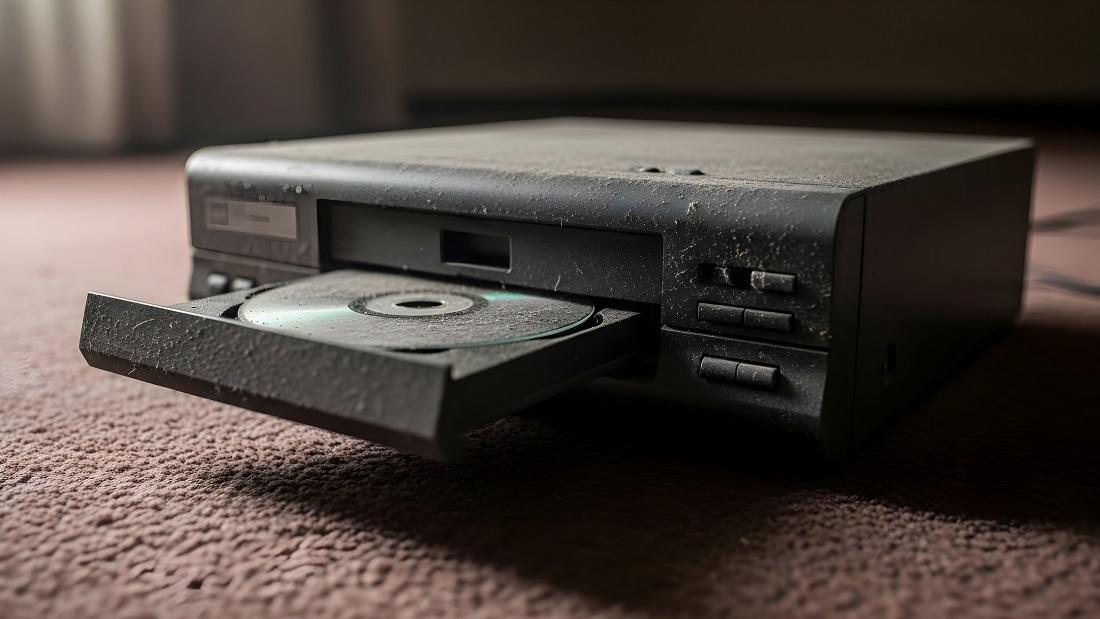
Right now, forgotten stuff sits behind thousands of locked doors. Storage units overflow with furniture nobody wants. Airport warehouses stack suitcases nobody claimed. Moving trucks hold shipments nobody will pay for. But these things won’t stay locked up. They move through a weird network that turns dead possessions into somebody else’s fresh start.
Why Things Get Left Behind
People walk away from their belongings every day. Lose your job? That storage bill becomes impossible. Get divorced? Neither person wants the shared memories. Someone dies? The family cannot deal with sorting through everything. Or maybe you just forgot about that unit you rented three years ago when you moved.
Storage places need paying customers. They’ll wait the legal minimum, maybe a month, maybe three, then they’ve got to clear out the deadbeats. Moving companies get stuck the same way. The client puts everything in storage and then vanishes. What now? Airlines pile up lost bags by the thousands. At some point, they need the warehouse space back.
The Auction Pipeline Opens Doors
After the waiting period, facilities empty these units fast. Sure, they could haul everything to the dump. But that costs money and fills up landfills for no good reason. So they sell it all.
It used to be that you’d show up at seven in the morning, stand around a hot parking lot, and bid against five other people who lived nearby. These days, storage auction platforms like Lockerfox have changed the entire game. Thousands of buyers check out units online, looking at photos from their couches. They bid from bed if they want. Sellers get better prices because more people compete. Everybody wins except the guy who abandoned his stuff.
The winning bidder owns everything – the good, the bad, and the weird. They dig through boxes of old tax returns and Christmas decorations. They haul out broken furniture and bags of moldy clothes. But they also find good stuff. Clean it up, price it right, and somebody will buy almost anything.
Where Everything Lands
After the auction, items scatter like pool balls after the break. Couches end up at used furniture stores. Some family trying to furnish an apartment on minimum wage gets a decent living room set. Old phones and laptops? Fixed up and sold online or stripped for copper and gold if they’re too far gone.
Clothes land everywhere. Thrift stores, vintage shops, or just donated to whoever needs them. Books stack up at used bookstores, where college kids buy cheap textbooks. Tools show up at pawn shops where construction workers grab them between jobs. Random junk finds buyers too. Teachers raid boxes of craft supplies. Artists grab weird stuff for projects. Some lady making jewelry needs old buttons. Everything moves to whoever values it.
The Ripple Effects
All this churning creates surprises. Small businesses pop up around the flow of secondhand goods. Poor families furnish entire homes for what rich folks spend on one chair. Tons of stuff stays out of landfills because somebody figured out how to flip it. Towns benefit in odd ways. Auction buyers hire local kids to haul and sort. Flea markets become weekend social spots. Sales tax rolls in from all these little transactions. Jobs appear that nobody planned for.
Conclusion
This whole cycle spins constantly, mostly invisible. The dresser at the thrift shop, the bike at the yard sale, that leather jacket on the resale app; they probably started behind some lock nobody cared about anymore. Through messy auctions and endless small deals, abandoned junk transforms into useful goods. Loss becomes opportunity. Locked doors open to second chances, and stuff nobody wanted finds people who need it.
