

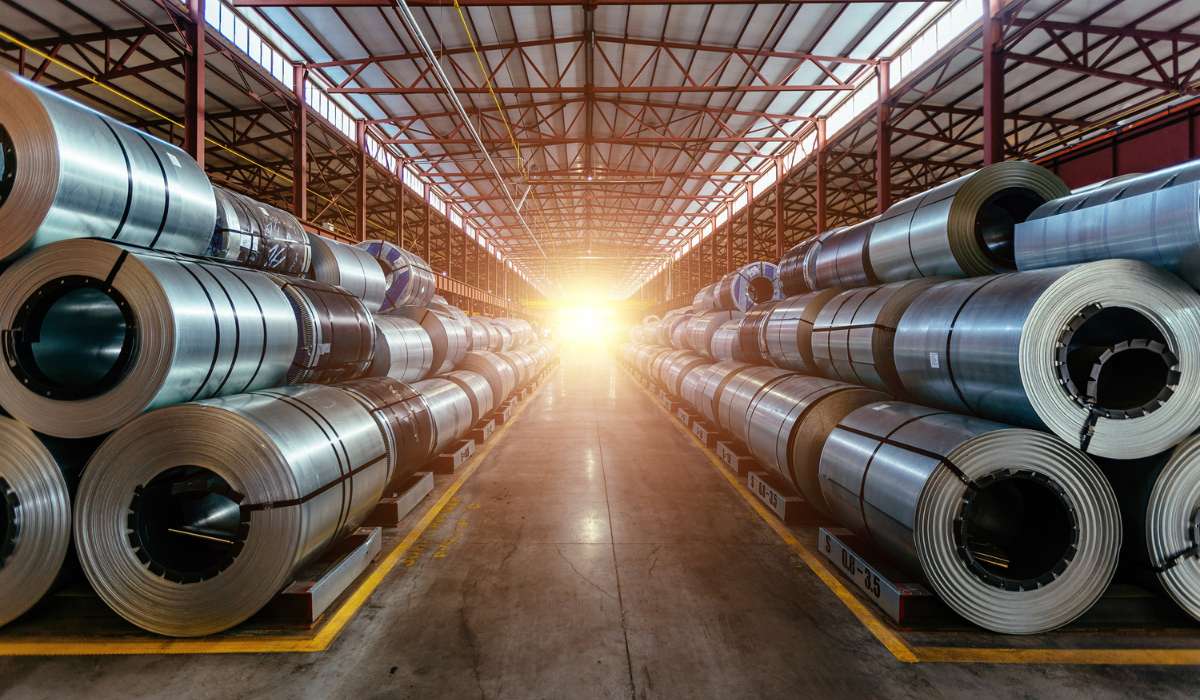
Industries are the backbone of economic development and technological advancement. They encompass a wide array of sectors, from manufacturing and agriculture to information technology and services. Understanding the structure, operation, and trends of various industries provides valuable insight into their impact on society, employment, and global commerce.
What Are Industries?
Industries are organized systems of production and services where goods are manufactured, processed, or delivered to meet human needs. They operate as structured entities, often divided into sectors and sub-sectors, depending on the type of activity and resources involved. Industries not only contribute to economic growth but also drive innovation, shape labor markets, and influence cultural and social dynamics.
Industries differ from companies in that a single industry can encompass thousands of businesses, each contributing to the sector’s overall performance. While companies are individual entities, industries are collective structures that define economic segments.
Classification of Industries
Industries are broadly categorized based on their primary activities, scale, and technological integration. Understanding these categories helps policymakers, investors, and entrepreneurs make informed decisions.
1. Primary Industries
Primary industries focus on the extraction and production of natural resources. They include agriculture, forestry, mining, fishing, and oil and gas extraction. These industries provide raw materials for secondary industries and play a crucial role in ensuring resource availability.
Key Features:
- Direct utilization of natural resources
- High dependency on environmental factors
- Examples include farming, timber production, and mining
2. Secondary Industries
Secondary industries are responsible for processing raw materials into finished goods. This includes manufacturing, construction, and energy production. Secondary industries are central to industrialization and urban economic development.
Key Features:
- Transform raw materials into consumable goods
- Include factories, refineries, and construction projects
- Drive employment and technological advancement
3. Tertiary Industries
Tertiary industries, also known as the service sector, provide services rather than tangible products. This sector includes banking, education, healthcare, tourism, logistics, and information technology services. The growth of tertiary industries often indicates economic maturity.
Key Features:
- Focus on providing services instead of goods
- Rapidly growing in developed economies
- Examples include software services, transportation, and consulting
4. Quaternary Industries
Quaternary industries involve knowledge-based services, research, and development. They focus on intellectual activities and innovation, contributing to technological progress and strategic decision-making.
Key Features:
- Emphasis on research, education, and information management
- Includes IT consulting, scientific research, and media
- Drives innovation and knowledge dissemination
5. Quinary Industries
Quinary industries represent the highest level of decision-making in society and the economy. They include top executives, government officials, and leaders in non-profit and cultural sectors. These industries influence economic policies, strategic planning, and social development initiatives.
Key Features:
- Decision-making and high-level management
- Impact on public policy and global strategies
- Includes government leaders, CEOs, and nonprofit executives
Emerging Trends in Industries
Industries are dynamic and continuously evolving in response to technological innovations, market demands, and global challenges. Key emerging trends include:
1. Digital Transformation
Digital technologies, including artificial intelligence, cloud computing, and the Internet of Things, are reshaping traditional industries. Manufacturing processes, logistics, and services are becoming more automated, efficient, and data-driven.
2. Sustainability Practices
Industries are increasingly adopting eco-friendly practices to reduce carbon emissions, waste, and resource consumption. Sustainable practices are crucial for long-term viability and social responsibility.
3. Globalization and Trade Integration
Industries are increasingly interconnected through global supply chains and international trade. Companies now operate in multiple countries, benefiting from market diversification and technological transfer.
4. Industry 4.0
The Fourth Industrial Revolution integrates smart technologies into industrial operations. Automation, robotics, big data analytics, and AI-driven decision-making are transforming manufacturing and production processes.
5. Workforce Evolution
The rise of remote work, gig economy, and digital collaboration platforms has transformed labor patterns across industries. Companies are adapting to flexible employment models and skill-based recruitment strategies.
Challenges Faced by Industries
Despite growth opportunities, industries encounter numerous challenges that can impact profitability and sustainability:
- Economic Volatility: Fluctuating global markets, inflation, and currency instability affect industrial output and revenue.
- Regulatory Compliance: Industries must navigate complex regulations, safety standards, and environmental laws.
- Technological Disruption: Rapid technological changes can make existing products or processes obsolete.
- Resource Scarcity: Industries dependent on natural resources must manage sustainability and supply chain risks.
- Global Competition: Companies face intense competition from domestic and international players, requiring innovation and efficiency.
The Economic Impact of Industries
Industries significantly influence economic growth, employment, and societal development:
- Employment Generation: Industries provide jobs across skill levels, from labor-intensive manufacturing to high-level research.
- GDP Contribution: Industrial sectors are major contributors to national and global gross domestic product.
- Trade and Investment: Industries drive exports, imports, and attract foreign direct investment.
- Innovation and Technology: Industries foster research and development, leading to new products, services, and technological advancements.
- Infrastructure Development: Industrial growth often necessitates improvements in transportation, energy, and urban planning.
Strategies for Industrial Success
Industries employ a range of strategies to remain competitive and sustainable:
- Diversification: Expanding into new markets, products, or services mitigates risks and increases growth opportunities.
- Lean Manufacturing: Streamlining production to reduce waste, improve efficiency, and enhance product quality.
- Research and Development: Investing in R&D enables innovation and the development of cutting-edge technologies.
- Sustainable Practices: Integrating ESG principles enhances reputation, attracts investment, and ensures long-term viability.
- Collaboration and Partnerships: Strategic alliances, joint ventures, and mergers enhance market presence and capabilities.
Conclusion
Industries form the foundation of modern economies, driving growth, innovation, and societal development. Understanding the types, trends, challenges, and strategies of industries is essential for stakeholders, investors, and entrepreneurs. As industries continue to evolve, embracing technological advancements, sustainability, and global integration will be critical for long-term success. Whether in primary, secondary, or tertiary sectors, industries shape the way we live, work, and interact in the modern world.
Frequently Asked Questions (FAQs)
1. What is the difference between primary, secondary, and tertiary industries?
Primary industries focus on raw material extraction, secondary industries process materials into goods, and tertiary industries provide services rather than products.
2. Why are quaternary and quinary industries important?
Quaternary industries drive research, innovation, and knowledge dissemination, while quinary industries influence high-level decision-making, shaping economic and social policies.
3. How is digital transformation impacting industries?
Digital transformation automates processes, enhances data analysis, and improves operational efficiency, enabling industries to respond faster to market changes.
4. What role does sustainability play in industrial growth?
Sustainable practices reduce environmental impact, ensure regulatory compliance, attract socially responsible investors, and secure long-term operational viability.
5. How do industries contribute to employment?
Industries generate jobs across various skill levels, from manual labor in manufacturing to specialized roles in research, management, and technology sectors.
6. What challenges do industries face with globalization?
Globalization increases competition, exposes industries to economic fluctuations, and requires adaptation to international regulations and supply chain complexities.
7. Why is research and development critical for industries?
R&D fosters innovation, helps develop new products and services, improves efficiency, and ensures competitiveness in rapidly evolving markets.
8. How are Industry 4.0 technologies shaping modern manufacturing?
Industry 4.0 integrates automation, robotics, AI, and data analytics into production, enhancing precision, efficiency, and adaptability in manufacturing processes.
