

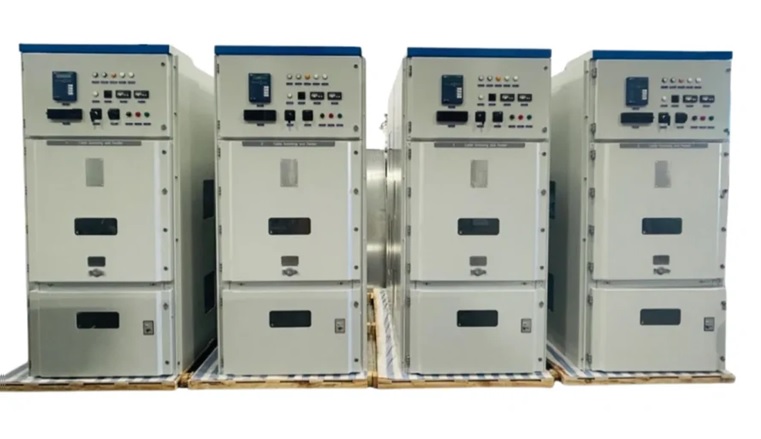
The main electric switch board is the backbone of any electrical system, serving as the primary control point for distributing electricity safely and efficiently throughout a building or facility. Whether in residential complexes, commercial buildings, or industrial plants, the main electric switch board plays a vital role in protecting electrical equipment, ensuring user safety, and maintaining uninterrupted power supply. As electrical demands continue to grow and systems become more complex, the importance of a well-designed and properly maintained main electric switch board cannot be overstated.
This article explores the purpose, components, design considerations, safety features, installation practices, and maintenance requirements of a main electric switch board, emphasizing its role in safe electrical management.
Understanding the Main Electric Switch Board
What Is a Main Electric Switch Board?
A main electric switch board is a centralized assembly that receives electrical power from the utility source or generator and distributes it to various sub-circuits within a facility. It houses essential control and protection devices that manage electrical flow, prevent faults, and safeguard both people and equipment.
The switch board acts as the first line of defense against electrical hazards such as overloads, short circuits, and voltage fluctuations. By controlling and monitoring power distribution, it ensures reliable and organized electrical management.
Importance in Electrical Systems
The main electric switch board is critical because it allows operators to isolate faults, perform maintenance safely, and control power distribution efficiently. Without a properly functioning switch board, electrical systems become vulnerable to failures, fire hazards, and equipment damage.
Key Components of a Main Electric Switch Board
Main Incoming Device
The main incoming device, typically a circuit breaker or isolator, controls the overall power supply entering the switch board. It allows the entire system to be safely shut down during emergencies or maintenance activities.
Busbars
Busbars are conductive strips or bars that distribute power from the incoming supply to outgoing circuits. They are usually made of copper or aluminum and are designed to carry high currents safely with minimal energy loss.
Circuit Breakers and Protective Devices
Outgoing feeders are protected by circuit breakers or fuses that automatically interrupt power in the event of overloads or short circuits. These devices ensure that faults are confined to specific circuits without affecting the entire system.
Metering and Monitoring Instruments
Modern switch boards often include meters for measuring voltage, current, power, and energy consumption. These instruments provide valuable insights into system performance and help in effective energy management.
Design Considerations for Safe Electrical Management
Load Assessment and Capacity Planning
Proper design begins with accurate load calculations. The main electric switch board must be capable of handling present electrical loads while allowing room for future expansion. Underestimating capacity can lead to overheating and frequent tripping, while oversizing increases costs unnecessarily.
Layout and Accessibility
A well-organized internal layout improves safety and ease of operation. Adequate spacing between components reduces the risk of overheating and allows safe access for maintenance. Clear labeling of circuits helps operators quickly identify and isolate specific feeders.
Enclosure and Environmental Protection
The enclosure of the switch board must protect internal components from dust, moisture, and mechanical damage. Depending on the installation environment, the enclosure may require specific protection ratings to ensure long-term reliability and safety.
Safety Features of a Main Electric Switch Board
Overcurrent and Short Circuit Protection
One of the primary safety functions of a main electric switch board is protecting against overcurrent and short circuits. Circuit breakers and fuses respond instantly to abnormal conditions, preventing damage to cables and connected equipment.
Grounding and Earthing Systems
Proper grounding ensures that fault currents are safely diverted to the earth, reducing the risk of electric shock. A well-designed earthing system is essential for both personnel safety and equipment protection.
Arc Fault and Fire Prevention
Electrical arcs can cause severe injuries and fires. Modern switch boards are designed with adequate insulation, secure connections, and protective barriers to minimize arc faults. Regular inspection further reduces fire risks.
Installation Best Practices
Site Preparation
Before installation, the location of the main electric switch board must be carefully selected. The area should be dry, well-ventilated, and easily accessible for operation and maintenance. Adequate lighting and clearance around the switch board are also essential for safety.
Proper Mounting and Alignment
The switch board should be securely mounted on a stable surface to prevent vibrations and mechanical stress. Proper alignment ensures smooth operation of breakers and accurate readings from meters.
Electrical Connections and Testing
All electrical connections must be tightened according to recommended torque values to prevent loose contacts and overheating. Before commissioning, comprehensive testing should be conducted to verify insulation resistance, continuity, and protective device functionality.
Operational Best Practices
Routine Inspection
Regular visual inspections help identify early signs of wear, corrosion, or overheating. Any abnormal noises, smells, or discoloration should be investigated immediately to prevent failures.
Preventive Maintenance
Scheduled maintenance includes cleaning, tightening connections, and testing protective devices. Preventive maintenance reduces unexpected downtime and extends the lifespan of the switch board.
Load Monitoring and Energy Management
Monitoring electrical loads helps prevent overloading and improves energy efficiency. By analyzing usage patterns, facility managers can optimize power distribution and reduce operational costs.
Role in Emergency and Fault Management
Quick Isolation of Faults
The main electric switch board allows rapid isolation of faulty circuits, minimizing damage and ensuring safety. This capability is especially critical in emergency situations where immediate action is required.
Support for Backup Power Systems
Switch boards often interface with backup power sources such as generators or uninterruptible power supplies. Proper coordination ensures seamless power transfer during outages, maintaining essential operations.
Future Trends in Main Electric Switch Boards
Smart and Digital Switch Boards
Advancements in technology are transforming traditional switch boards into smart systems with real-time monitoring and remote control capabilities. These features enhance safety, efficiency, and predictive maintenance.
Focus on Sustainability
Modern designs emphasize energy efficiency and reduced environmental impact. Efficient components and intelligent monitoring contribute to sustainable electrical management practices.
Conclusion
The main electric switch board is a vital component for safe and efficient electrical management. By regulating power distribution, preventing faults, and enabling smooth operation, it ensures the reliability and safety of electrical systems across residential, commercial, and industrial applications.
Need expert guidance or tailored solutions for your electrical systems?
Contact Us today to connect with our specialists and get professional support for designing, installing, or maintaining your main electric switch board.
Careful design, proper installation, and routine maintenance are essential for maximizing the performance and lifespan of a main electric switch board. As electrical systems evolve, integrating modern technologies and adopting best practices enhances both safety and operational efficiency. A well-managed main electric switch board not only safeguards infrastructure and equipment but also delivers peace of mind through reliable and secure electrical control.
