

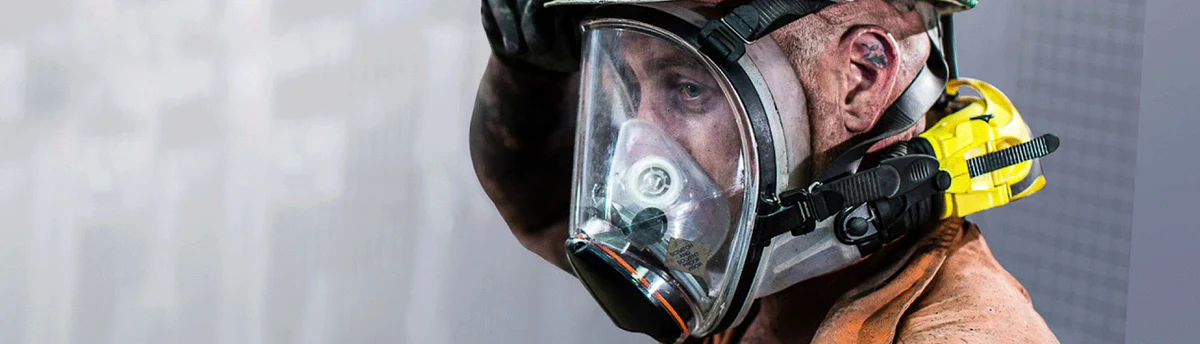
In various industries across the country, ensuring the safety of workers is paramount. One crucial aspect of workplace safety involves protecting employees from hazardous airborne contaminants. This is where respiratory protection comes into play, and specifically, where a positive pressure respirator becomes essential. Selecting the right respirator can seem daunting, but understanding the options and your specific needs will make the process much smoother. Learn more about positive pressure respirator.
This article aims to guide you through the process of choosing the appropriate respirator for your workplace, ensuring optimal protection and compliance with safety regulations. We’ll explore different types, features, and considerations to help you make an informed decision. After all, providing adequate respiratory protection is an investment in your employees’ health and well-being. Let’s delve into the world of respirators and find the perfect fit for your requirements.
Understanding Respiratory Hazards
Before diving into the specifics of respirators, it’s important to understand the types of respiratory hazards that workers may encounter. These hazards can range from dust and fumes to gases and vapours, each posing unique risks to respiratory health. Identifying the specific hazards present in your workplace is the first step in selecting the appropriate respiratory protection.
Common Types of Airborne Contaminants
Airborne contaminants can be broadly classified into several categories: particulate matter (dust, fibres, aerosols), gases (carbon monoxide, chlorine), and vapours (solvents, paints). Each type of contaminant requires a specific type of filter or cartridge to effectively remove it from the air being breathed. Understanding the nature of the hazard is crucial for selecting the correct respirator.
- Dusts: Generated from activities like grinding, sanding, or demolition. Examples include silica dust, wood dust, and asbestos.
- Fumes: Formed when metal is heated to high temperatures, such as during welding or smelting.
- Gases: Can be released from industrial processes or leaks. Examples include carbon monoxide, hydrogen sulphide, and chlorine.
- Vapours: Produced by the evaporation of liquids such as solvents, paints, and fuels.
Assessing Workplace Respiratory Risks
A comprehensive risk assessment is essential for determining the level of respiratory protection required in your workplace. This assessment should identify the specific hazards present, the concentration of those hazards, and the duration of exposure. Factors such as ventilation, work practices, and the physical demands of the job should also be considered. A thorough assessment will provide the necessary information to select the appropriate respirator and implement a robust respiratory protection program.
Types of Positive Pressure Respirators
Now that we understand the importance of identifying workplace hazards, let’s explore the different types of respirators available. A respirator protects the wearer by filtering out or supplying clean air, and it is a critical piece of safety equipment. These respirators offer a higher level of protection compared to negative pressure respirators, making them suitable for more hazardous environments.
Powered Air-Purifying Respirators (PAPRs)
Powered air-purifying respirators, or PAPRs, use a blower to force air through a filter or cartridge, delivering clean air to the wearer. This positive pressure helps prevent contaminants from entering the facepiece, providing a higher level of protection. PAPRs are particularly useful for workers who experience breathing difficulties or those who need to wear a respirator for extended periods. The powered assistance reduces breathing resistance, making them more comfortable to use.
Self-Contained Breathing Apparatus (SCBA)
Self-contained breathing apparatus, or SCBAs, provide the highest level of respiratory protection. SCBAs supply the wearer with breathable air from a compressed air cylinder, completely isolating them from the surrounding atmosphere. These are typically used in emergency situations or in environments where the concentration of contaminants is immediately dangerous to life or health (IDLH). Firefighters and emergency responders often rely on SCBAs for their life-saving capabilities.
Supplied Air Respirators (SARs)
Supplied air respirators, or SARs, provide clean air to the wearer through a hose connected to a stationary compressed air source. SARs are suitable for environments where the air is contaminated but not immediately dangerous to life or health. They offer a continuous supply of clean air, making them ideal for long-duration tasks in confined spaces or other hazardous areas. However, the hose can limit mobility, so careful consideration of the work environment is necessary.
Choosing the Right Positive Pressure Respirator
Selecting the correct respirator involves carefully considering several factors, including the specific hazards present, the level of protection required, and the comfort and fit of the respirator. A properly fitted and well-maintained respirator is essential for ensuring optimal protection. It is important to conduct fit testing to ensure that the respirator forms a tight seal against the wearer’s face, preventing contaminants from entering.
Factors to Consider
Choosing the right respirator is a critical decision that requires careful consideration of several factors. These factors include the specific hazards present in the workplace, the concentration of those hazards, and the duration of exposure. Additionally, the comfort and fit of the respirator are essential for ensuring that workers will wear it consistently and correctly.
- Type of Hazard: Identify the specific contaminants present in the workplace.
- Concentration of Hazard: Determine the level of exposure to the contaminants.
- Duration of Exposure: Consider how long workers will be exposed to the hazards.
- Fit and Comfort: Ensure the respirator fits properly and is comfortable to wear for extended periods.
- Work Environment: Evaluate the physical demands of the job and any potential limitations.
The Importance of Fit Testing
Fit testing is a crucial step in ensuring that a respirator provides adequate protection. A fit test assesses the seal between the respirator and the wearer’s face, ensuring that contaminants cannot enter the breathing zone. Fit testing should be conducted annually and whenever a worker’s facial features change significantly (e.g., weight gain or loss). There are two main types of fit testing: qualitative and quantitative. Qualitative fit testing relies on the wearer’s sense of taste or smell to detect leakage, while quantitative fit testing uses instruments to measure the amount of leakage.
Benefits of Using a Positive Pressure Respirator
Investing in a respirator offers numerous benefits for both workers and employers. These respirators provide a higher level of protection compared to negative pressure respirators, reducing the risk of respiratory illnesses and injuries. Additionally, they can improve worker comfort and productivity, leading to a more positive and efficient work environment.
Enhanced Respiratory Protection
A full face respirator provides superior respiratory protection by creating a positive pressure environment inside the mask. This means that air is constantly being forced into the mask, preventing contaminants from entering. This is especially important in environments with high concentrations of hazardous substances. The enhanced protection offered by these respirators can significantly reduce the risk of respiratory illnesses and long-term health problems.
Improved Comfort and Productivity
One of the key advantages of a respirator is the improved comfort they offer. The positive pressure reduces breathing resistance, making it easier for workers to breathe, especially during strenuous activities. This can lead to increased productivity and reduced fatigue. Comfortable workers are more likely to wear their respirators consistently and correctly, ensuring optimal protection.
Compliance with Safety Regulations
Using a respirator helps employers comply with workplace safety regulations and standards. These regulations are designed to protect workers from respiratory hazards and ensure a safe working environment. By providing appropriate respiratory protection, employers can avoid costly fines and legal liabilities. Compliance with safety regulations also demonstrates a commitment to worker health and well-being, fostering a positive workplace culture.
Maintaining Your Positive Pressure Respirator
Proper maintenance is essential for ensuring the continued effectiveness of your respirator. Regular cleaning, inspection, and replacement of parts are necessary to keep the respirator in good working condition. A well-maintained respirator will provide reliable protection and extend its lifespan. Neglecting maintenance can compromise the respirator’s performance and put workers at risk.
Cleaning and Inspection Procedures
Regular cleaning and inspection are crucial for maintaining the integrity of your respirator. After each use, the respirator should be cleaned according to the manufacturer’s instructions. This typically involves washing the facepiece with mild soap and water and disinfecting it with a sanitising solution. The respirator should also be inspected for any signs of damage, such as cracks, tears, or worn-out parts. Any damaged parts should be replaced immediately.
Storage and Replacement Guidelines
Proper storage is essential for protecting your respirator from damage and contamination. When not in use, the respirator should be stored in a clean, dry place away from direct sunlight and extreme temperatures. The respirator should also be stored in a manner that prevents it from being crushed or deformed. Replacement guidelines should be followed to ensure that filters, cartridges, and other components are replaced regularly, even if they appear to be in good condition. Filters and cartridges have a limited lifespan and can lose their effectiveness over time.
Specific Applications for Positive Pressure Respirators
These respirators are used across a range of industries, each with its own unique hazards and requirements. From healthcare to construction, these respirators play a vital role in protecting workers from airborne contaminants. Understanding the specific applications of these respirators can help you determine the best solution for your workplace.
Healthcare Settings
In healthcare settings, workers are frequently exposed to airborne pathogens, such as viruses and bacteria. A respirator, including models with a PAPR helmet, is essential for protecting healthcare professionals from these hazards. PAPRs provide a high level of protection and are comfortable to wear for extended periods, making them ideal for healthcare workers. They help prevent the spread of infectious diseases and ensure a safe working environment for healthcare providers.
Construction and Manufacturing
Construction and manufacturing environments often involve exposure to dust, fumes, and other hazardous particles. Respirators are crucial for protecting workers from these respiratory hazards. They help prevent lung diseases and other respiratory illnesses caused by inhaling these contaminants. Ensuring that workers have access to and use appropriate respiratory protection is essential for maintaining a safe and healthy workplace.
Emergency Response
Emergency responders, such as firefighters and paramedics, often face hazardous environments with unknown contaminants. SCBAs are essential for providing these responders with a reliable source of breathable air. SCBAs allow emergency responders to enter dangerous situations without risking their respiratory health. They are a critical piece of equipment for ensuring the safety of those who protect our communities.
FAQs About Positive Pressure Respirators
Choosing the right respirator can be a complex process, and it’s natural to have questions. Here are some frequently asked questions about respirators to help you make an informed decision.
What is the difference between a positive pressure and a negative pressure respirator?
Positive pressure respirators use a blower or compressed air source to force air into the facepiece, creating a positive pressure environment. This prevents contaminants from entering the mask. Negative pressure respirators, on the other hand, rely on the wearer’s inhalation to draw air through the filter. Positive pressure respirators offer a higher level of protection because they eliminate the risk of leakage caused by a poor seal.
How often should I replace the filters on my respirator?
The replacement frequency for filters depends on the type of filter, the concentration of contaminants, and the duration of exposure. Always follow the manufacturer’s instructions for filter replacement. As a general rule, filters should be replaced when they become clogged, damaged, or when the wearer detects an odour or taste indicating that the filter is no longer effective.
Can I use a beard with a respirator?
Facial hair, such as a beard, can interfere with the seal between the respirator and the face, reducing its effectiveness. It is recommended that workers be clean-shaven in the area where the respirator seals against the face. If a beard is required for religious or medical reasons, alternative respiratory protection options may need to be considered.
How do I know if my respirator fits properly?
A proper fit is essential for ensuring that a respirator provides adequate protection. Fit testing should be conducted to assess the seal between the respirator and the wearer’s face. A fit test can be qualitative (relying on the wearer’s sense of taste or smell) or quantitative (using instruments to measure leakage). Fit testing should be conducted annually and whenever a worker’s facial features change significantly.
Where can I get training on how to use and maintain my respirator?
Training on the proper use and maintenance of respirators is essential for ensuring worker safety. Your employer should provide comprehensive training that covers the selection, fitting, use, and maintenance of respirators. Additional training resources may be available from manufacturers, safety organisations, and regulatory agencies. Proper training will help workers use their respirators effectively and protect themselves from respiratory hazards.
