

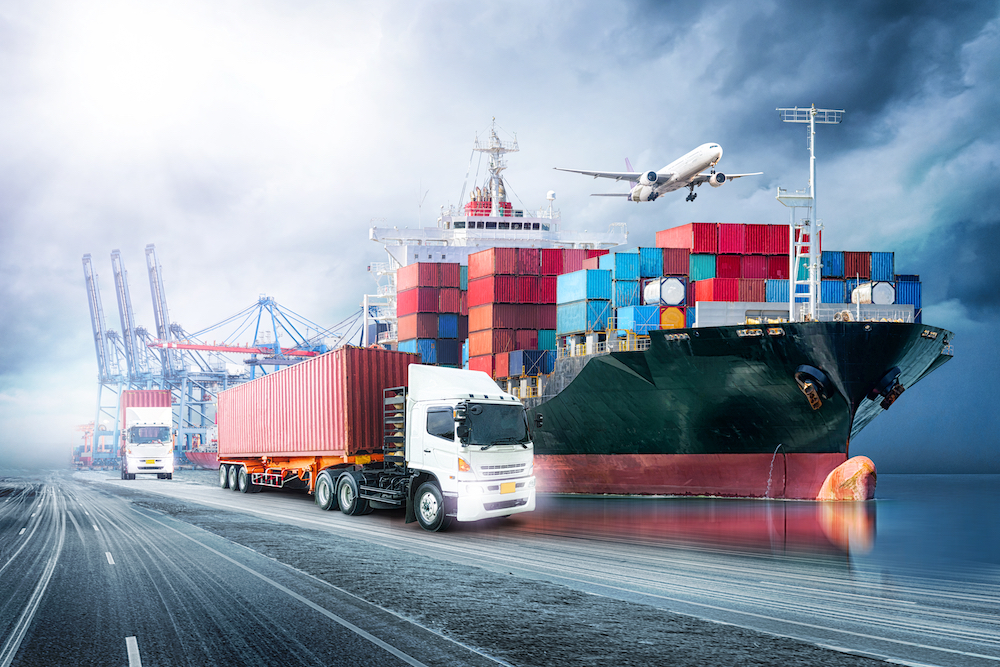
Logistics plays a crucial role in the global economy, ensuring that goods, services, and information move efficiently from suppliers to consumers. In today’s interconnected world, effective logistic management is essential for businesses to maintain competitiveness, meet customer expectations, and optimize supply chain operations. Understanding the types, processes, benefits, and emerging trends in logistics can help businesses improve efficiency, reduce costs, and enhance customer satisfaction.
What Is Logistic?
Logistic refers to the planning, implementation, and management of the movement and storage of goods, services, and related information from the point of origin to the point of consumption. It encompasses activities such as transportation, warehousing, inventory management, order fulfillment, and supply chain coordination.
At its core, logistics is about delivering the right product, at the right time, in the right condition, to the right place, and at the right cost. Businesses across industries rely on logistic services to ensure smooth operations and timely delivery of goods.
Types of Logistic Services
Logistics can be categorized into several key types based on the nature of operations and the flow of goods:
1. Inbound Logistics
Inbound logistics involves the transportation, storage, and delivery of raw materials, components, or products from suppliers to manufacturing or production facilities. Efficient inbound logistics ensures that production processes run smoothly and reduces delays in manufacturing.
Key Features:
- Supplier coordination and procurement planning
- Transportation of raw materials and components
- Inventory management at warehouses or production sites
2. Outbound Logistics
Outbound logistics focuses on the movement of finished products from production facilities to distribution centers, retailers, or end customers. This type of logistics emphasizes timely delivery, customer satisfaction, and order accuracy.
Key Features:
- Order processing and fulfillment
- Transportation management and route optimization
- Packaging, labeling, and documentation for shipment
3. Third-Party Logistics (3PL)
Third-party logistics providers offer outsourced logistic services to businesses, covering transportation, warehousing, inventory management, and distribution. Companies often use 3PL services to leverage expertise, reduce costs, and scale operations without investing in in-house logistics infrastructure.
Key Features:
- Contract-based logistic management
- Freight forwarding, warehousing, and distribution
- Technology-enabled tracking and reporting
4. Fourth-Party Logistics (4PL)
Fourth-party logistics providers manage the entire supply chain on behalf of businesses, integrating multiple 3PL providers and coordinating end-to-end operations. 4PL solutions focus on strategic planning, supply chain optimization, and process improvement.
Key Features:
- Comprehensive supply chain management
- Vendor and partner coordination
- Data-driven insights for operational efficiency
5. Reverse Logistics
Reverse logistics deals with the return of products from customers to manufacturers or distributors. This includes returns, recycling, refurbishing, or disposal of products. Effective reverse logistics enhances sustainability, reduces waste, and improves customer experience.
Key Features:
- Handling product returns and exchanges
- Recycling and disposal of defective or expired products
- Refurbishment and resale of returned goods
6. International Logistics
International logistics involves the planning, coordination, and transportation of goods across national borders. This type of logistics requires compliance with customs regulations, international shipping laws, and cross-border documentation.
Key Features:
- Freight forwarding and customs clearance
- Global supply chain coordination
- Risk management for international shipments
Key Components of Logistic Management
Efficient logistic operations rely on multiple interconnected components to ensure smooth supply chain functioning:
- Transportation: Selection of appropriate modes of transport, including road, rail, sea, and air, to deliver goods efficiently.
- Warehousing: Storage and management of goods at strategic locations to optimize distribution.
- Inventory Management: Maintaining optimal stock levels to meet demand without overstocking or understocking.
- Order Fulfillment: Efficient processing of customer orders to ensure timely and accurate delivery.
- Packaging and Labeling: Proper packaging protects goods during transit, while accurate labeling ensures compliance with shipping standards.
- Information and Technology: Use of tracking systems, ERP software, and data analytics for real-time visibility and decision-making.
Benefits of Efficient Logistic Services
Investing in robust logistic solutions provides several advantages for businesses:
- Cost Reduction: Streamlined logistics reduces transportation, warehousing, and operational costs.
- Improved Customer Satisfaction: Timely delivery and accurate order fulfillment enhance the customer experience.
- Supply Chain Visibility: Real-time tracking and reporting improve transparency and operational control.
- Scalability: Flexible logistic solutions enable businesses to scale operations efficiently during demand fluctuations.
- Competitive Advantage: Businesses with efficient logistics can offer faster delivery, lower costs, and higher reliability compared to competitors.
- Sustainability: Green logistics practices minimize environmental impact through optimized routes, reduced emissions, and eco-friendly packaging.
Emerging Trends in the Logistic Industry
The logistics industry is evolving rapidly due to technological advancements, customer expectations, and global trade dynamics. Some key trends shaping the industry include:
1. Automation and Robotics
Automation in warehouses and fulfillment centers improves efficiency, reduces manual labor, and minimizes errors. Robotics is increasingly used for picking, packing, and sorting products.
2. Internet of Things (IoT) and Smart Tracking
IoT-enabled devices provide real-time data on the location, condition, and temperature of goods in transit. Smart tracking enhances visibility, reduces losses, and enables predictive maintenance.
3. Artificial Intelligence and Data Analytics
AI-powered solutions optimize routes, forecast demand, and enhance inventory management. Data analytics provides insights into supply chain performance, enabling informed decision-making.
4. E-commerce Logistics
The growth of e-commerce has increased demand for last-mile delivery solutions. Efficient e-commerce logistics focuses on speed, flexibility, and customer satisfaction.
5. Sustainable Logistics Practices
Green logistics practices, such as electric delivery vehicles, energy-efficient warehouses, and recyclable packaging, are gaining importance due to environmental regulations and corporate social responsibility goals.
6. Blockchain Technology
Blockchain enhances transparency, security, and traceability in supply chains. It enables secure sharing of shipment data, reduces fraud, and streamlines documentation processes.
Challenges in Logistic Management
Despite technological advancements, the logistics industry faces several challenges:
- Rising Transportation Costs: Fuel prices, labor shortages, and tolls contribute to increased operational costs.
- Global Supply Chain Disruptions: Events like pandemics, natural disasters, and geopolitical tensions can disrupt international logistics.
- Regulatory Compliance: Logistics providers must navigate complex regulations, including customs, import/export rules, and safety standards.
- Technology Integration: Implementing and integrating new technologies can be expensive and require specialized expertise.
- Last-Mile Delivery Efficiency: Urban congestion, remote locations, and high delivery expectations make last-mile delivery challenging.
Conclusion
Logistics is a critical component of modern business operations, enabling the smooth flow of goods, services, and information across the supply chain. By understanding different types of logistics, key components, benefits, and emerging trends, businesses can enhance efficiency, reduce costs, and improve customer satisfaction. As technology continues to transform the industry, embracing innovations like automation, IoT, AI, and sustainable practices will be essential for staying competitive and meeting evolving market demands.
Frequently Asked Questions (FAQs)
1. What is the difference between inbound and outbound logistics?
Inbound logistics focuses on transporting raw materials from suppliers to production facilities, while outbound logistics deals with delivering finished products to customers or distribution centers.
2. How do 3PL and 4PL services differ?
3PL provides outsourced logistic services like transportation and warehousing, while 4PL manages the entire supply chain, coordinating multiple 3PL providers and offering strategic planning.
3. Why is last-mile delivery important in logistics?
Last-mile delivery ensures that products reach end customers efficiently. It is crucial for customer satisfaction and directly impacts delivery speed and accuracy.
4. How does technology improve logistic operations?
Technologies like IoT, AI, robotics, and blockchain enhance supply chain visibility, optimize routes, reduce errors, and improve overall efficiency.
5. What is reverse logistics, and why is it important?
Reverse logistics manages returns, recycling, and disposal of products. It supports sustainability, reduces waste, and improves customer experience.
6. What are the benefits of using 3PL services?
3PL services help businesses reduce operational costs, scale operations, leverage expertise, and focus on core activities without investing in logistics infrastructure.
7. How is sustainable logistics implemented?
Sustainable logistics involves using eco-friendly packaging, energy-efficient warehouses, optimized routes, and electric or low-emission vehicles to reduce environmental impact.
8. What challenges do international logistics face?
International logistics must address customs regulations, shipping documentation, cross-border compliance, fluctuating tariffs, and geopolitical risks that can affect supply chain efficiency.
