

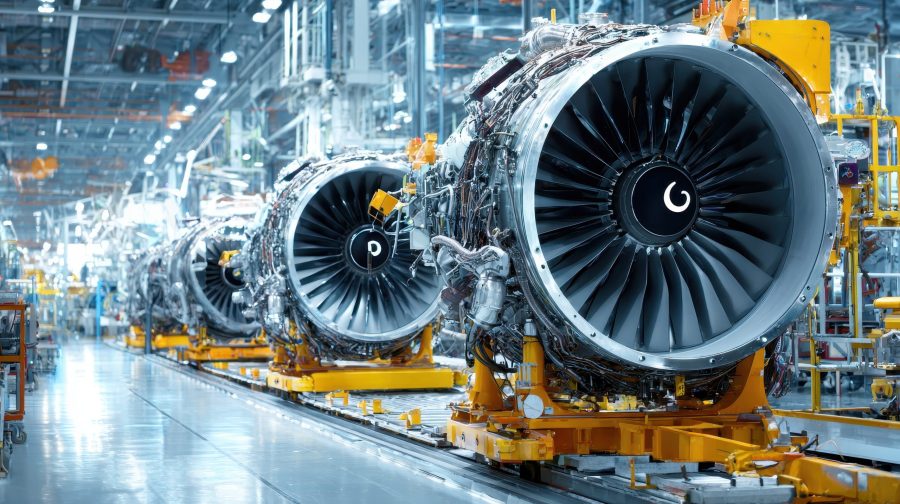
Airplanes generate profits in flight, not while on the ground. Every hour a jet is grounded for parts, airlines lose thousands. But rush the wrong component into service and you risk something far worse than money. Sourcing managers live in this pressure cooker daily, juggling speed against safety with zero room for error.
Why Aviation Sourcing Is Different
The Quality Challenge
Forget everything you know about regular purchasing. Aviation materials come with paperwork thicker than phone books. Each washer needs a pedigree. Every sheet of aluminum carries test results proving its exact chemical makeup. One contaminated batch slipping through kills people.
You can’t just pick the cheapest “aircraft aluminum suppliers” from a Google search. It takes years for these vendors to get their special certifications. Government inspectors camp out at their facilities. Past customers get grilled about their experiences. Finding a supplier is like getting married – you better know what you’re signing up for.
The Lead Time Reality
Aircraft builders operate on geological timescales. They place orders today for planes delivering in 2029. Sounds like plenty of time until you realize that titanium forging needs eight months just to cool properly. The special heat-treating oven your supplier uses? There’s a fourteen-month waiting list to book time on it.
Murphy’s Law loves aviation. Your customer suddenly wants fifty more aircraft. An earthquake hits your supplier’s factory in Japan. That comfortable cushion you built into the schedule? Gone. Now you’re calling suppliers at 2 AM begging for miracles.
Strategies That Work
Building Strong Supplier Networks
Only rookies depend on one supplier. Veterans spread their bets. Three suppliers for critical materials, minimum. It costs more. But when supplier number one catches fire, suppliers two and three keep production moving. These aren’t just business transactions. Good buyers know their suppliers’ kids’ names. They send holiday cards. They pick up the phone just to chat. Why? Because when stuff hits the fan, relationships matter more than contracts. The supplier who likes you finds a way. The one who doesn’t? Sorry, nothing available for six months.
Inventory Management
Warehouses full of materials burn cash. Empty warehouses burn even more when production stops. The game is figuring out what to stock and what to order as needed. Exotic materials with one supplier worldwide? Stock them deep. Basic bolts available from twenty vendors? Order those next week. Aerospace composite manufacturing companies such as Aerodine Composites make this easier by hitting their delivery dates religiously. Buyers trust them enough to cut inventory levels without sweating midnight phone calls about delays.
Technology and Tracking
Spreadsheets are dead. Modern systems track everything automatically. They know supplier B delivers two days late on average, and they flag when quality rejection rates creep up. They predict problems weeks before humans notice patterns. But computers don’t build relationships. They can’t sweet-talk a supplier into expediting an order. They definitely can’t tell when someone is lying about their capabilities. Tech handles the boring stuff so humans can focus on what matters – keeping planes flying safely.
The Human Factor
Sourcing managers who last in aviation develop a sixth sense. Gray hair means something in this business. Old-timers have contacts everywhere. They remember which supplier saved the day in 2008 and who left them hanging. One phone call to these folks reveals over fifty audit reports.
Conclusion
Aviation sourcing isn’t for the faint-hearted. You’re buying aircraft materials for high-speed travel. Mess up, and people die. No pressure, right? Winners in this game build bulletproof supplier networks, stock smart, and leverage technology without forgetting the human touch. They sleep well knowing every part they sourced will perform exactly as promised, every single flight.
