

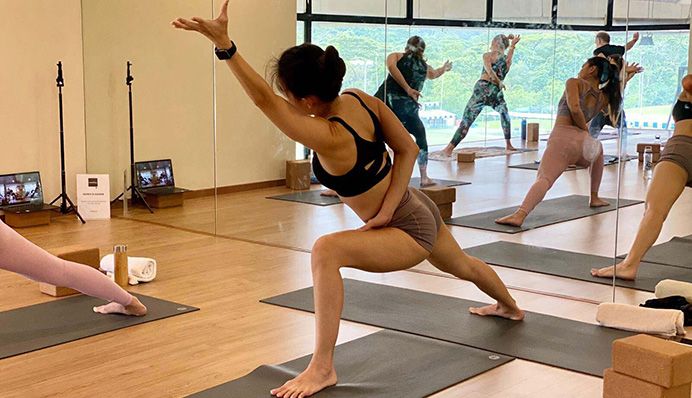
Modern companies in Singapore have become increasingly aware that employee wellbeing directly influences workplace performance. Beyond traditional benefits and training programmes, many organisations now incorporate structured wellness activities to support workforce behaviour, stress management, and long term productivity. Among these initiatives, guided classes inside a dedicated yoga studio Singapore have emerged as a strategic tool for nurturing healthier employees and more cohesive teams.
This shift reflects a deeper understanding that employees are not only workers but individuals managing constant pressure, digital overwhelm, and personal responsibilities. As corporate demands grow, companies are realising that physical and mental balance must be part of their long term talent strategy. Supporting employees through guided studio based yoga helps improve concentration, behaviour, emotional resilience, and overall job satisfaction.
Why Workforce Behaviour Matters in Modern Singapore
Singapore’s corporate landscape is known for high standards, efficiency, and fast paced operations. While this drives national competitiveness, it also creates significant stress for employees. The rise of hybrid working arrangements has blurred home and office boundaries, increasing burnout risks.
Behavioural challenges that companies commonly observe
-
Reduced concentration during long meetings
-
Frequent emotional fatigue
-
Increased irritability or impatience
-
Difficulty managing workload transitions
-
Lower tolerance for sudden changes
-
Decreased creativity due to mental overload
Companies have recognised that these behavioural issues are rarely about skill. Instead, they stem from chronic stress and disrupted physical rhythms.
Why Yoga Works as a Behavioural Improvement Tool
Yoga improves behaviour by addressing the root causes of emotional imbalance, attention difficulties, and inconsistent energy levels. A guided studio environment trains employees to manage stress more effectively, which carries into their work habits.
Calming the nervous system improves emotional control
Many workplace conflicts arise from overstimulation or lack of emotional regulation. Studio yoga activates the parasympathetic nervous system, helping employees:
-
Respond calmly instead of reacting impulsively
-
Manage disagreements respectfully
-
Maintain focus during stressful discussions
Better breath control enhances attention span
Low quality breath patterns are common in high stress work environments. When breathing becomes shallow, the brain receives less oxygen, leading to irritability and poor focus. In a studio setting, employees learn controlled breathing techniques that improve:
-
Cognitive clarity
-
Meeting engagement
-
Decision making speed
-
Task switching ability
Movement supports mental stamina
Long hours of sitting lead to stiffness and mental fatigue. Yoga improves circulation and posture, which ensures more stable energy throughout the day.
Why Companies Prefer a Studio Over On Site Sessions
Although some firms arrange in office yoga sessions, many prefer sending employees to professional studios because the environment offers greater psychological separation from work.
A neutral space enhances mental reset
Employees often find it difficult to fully relax inside their workplace. A studio provides a calm, neutral environment that allows them to disconnect from work identity and focus on personal wellbeing.
Professional instructors provide more structured guidance
Studio instructors use carefully designed sequences that address both physical and emotional tension. This helps employees gain deeper benefits compared to casual workplace classes.
Better sensory environment improves focus
Studios maintain controlled lighting, temperature, and acoustics. These conditions promote calmness and reduce overstimulation, which supports behavioural improvements.
How Corporate Teams Benefit from Studio Based Practice
When teams practise together, the collective energy inside the studio influences how they collaborate back at work.
Improved teamwork dynamics
Employees who share wellness experiences often build greater trust. Practising in a studio encourages:
-
Respect for individual differences
-
Empathy
-
Better communication
-
A sense of unity
More positive workplace behaviour
Yoga helps regulate mood and energy, reducing emotional reactivity. Employees return to work with:
-
Greater patience
-
Better listening skills
-
More stable emotional tone
-
Improved adaptability
Enhanced creativity and problem solving
Calm minds think more clearly. After a studio session, employees often feel mentally refreshed and open to new ideas. This makes brainstorming and strategic planning more effective.
How Yoga Supports Long Term Productivity
While productivity is typically measured by output, long term productivity relies on stable physical health and emotional resilience. Studio yoga contributes to both.
Better physical health reduces sick days
Consistent practice improves posture, mobility, and immunity. Companies benefit from lower absenteeism and fewer workdays lost to minor health issues.
More stable energy improves work consistency
Employees who practise regularly experience fewer afternoon crashes and greater mental endurance, which improves task completion and reduces procrastination.
Improved sleep boosts focus and efficiency
Poor sleep affects concentration and behaviour. Studio based yoga improves sleep quality through breathwork and nervous system regulation.
Why Singapore Companies Choose Studios Like Yoga Edition
Many organisations value reliable and professional environments such as Yoga Edition because the studio provides structured sessions suited to busy working adults. The clean, calming environment helps employees unwind after demanding workdays. The instructors guide sessions with attention to alignment, breath, and gradual intensity, which helps reduce workplace tension and supports behavioural balance.
Companies often appreciate the studio’s ability to provide consistency. Whether employees attend individually or in small groups, they receive a similar quality of experience that reinforces the company’s wellness goals.
The Economic Value of Corporate Wellness Through Yoga
Wellness programmes are not only beneficial for employees, they also impact company performance.
Tangible gains for companies
-
Lower healthcare costs
-
Higher retention rates
-
Reduced turnover
-
Fewer burnout related resignations
-
Improved productivity metrics
Intangible but powerful benefits
-
Stronger workplace culture
-
Higher employee satisfaction
-
Better employer brand reputation
-
Improved leadership behaviour
These outcomes form a long term return on investment that supports organisational growth.
Real Life Examples of Behavioural Improvements in Companies
Many companies in Singapore report noticeable improvements when employees attend studio sessions regularly.
More mindful communication
Employees become more aware of their tone, timing, and emotional expression during discussions.
Better conflict management
Staff learn to regulate stress, making it easier to navigate disagreements constructively.
Smoother adaptation to change
Departments undergoing restructuring or leadership transitions often benefit greatly when team members practise together.
Enhanced interest in healthy habits
Studio sessions often inspire employees to adopt better eating, sleep, and movement routines.
How Companies Can Start Incorporating Studio Yoga
Organisations can adopt a flexible approach based on their goals.
Option 1: Sponsored individual memberships
Employees can attend sessions at their preferred times, which supports personal schedule differences.
Option 2: Small group sessions
Teams attend together, improving interpersonal bonding.
Option 3: Leadership focused sessions
Managers and team leaders practise first to model healthy behaviour.
Option 4: Wellness weeks or quarterly resets
Companies organise studio sessions during busy seasons to manage stress spikes.
How Employees Can Maximise the Benefits
To ensure long term behavioural improvements, employees should:
-
Attend consistently
-
Practise breath control during stressful work moments
-
Share their experience with colleagues
-
Choose a mix of mobility and relaxation classes
-
Avoid rushing immediately after a session
These habits help sustain positive behaviour at work.
FAQ
Q. How often should employees attend yoga sessions to see behavioural improvements?
Most companies find that one to two sessions weekly create noticeable behavioural shifts within two months. Consistency is more important than class intensity.
Q. Can yoga help employees who face high pressure deadlines?
Yes. Breathwork and mindful movement help regulate stress responses, allowing employees to think more clearly and avoid burnout during demanding periods.
Q. Are studio sessions suitable for all job roles?
Yes. Yoga benefits executives, entry level staff, remote workers, and shift based employees. It supports anyone dealing with physical or emotional stress.
Q. Do companies need a large budget to incorporate studio yoga?
Not necessarily. Many businesses start with small group sessions or partial sponsorships. Even limited programmes can create meaningful improvements.
Q. What behavioural changes are most commonly observed?
Companies often report better emotional control, improved focus, reduced workplace tension, and more resilient responses to change.
