

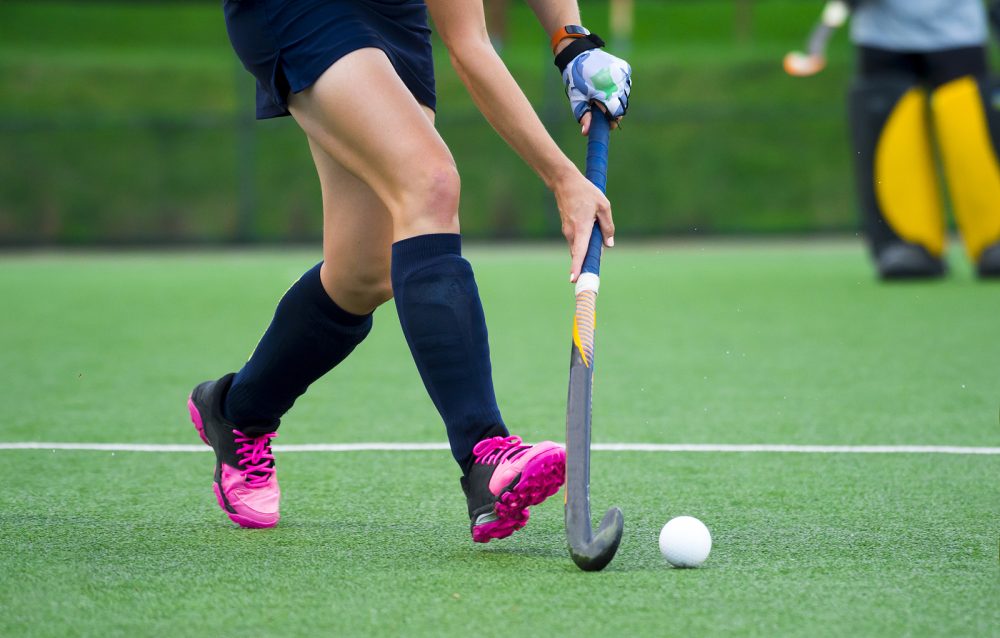
Sports facilities across northern territories face significant operational challenges when winter weather conditions transform natural grass playing areas into frozen, unsuitable surfaces for athletic activities. The solution increasingly implemented by athletic complexes, educational institutions, and training facilities involves cutting-edge synthetic turf technology engineered to withstand harsh temperature conditions while delivering consistent field performance throughout seasonal variations.
Athletic organizations in cold-weather regions have discovered that AstroTurf surfaces represent critical infrastructure investments for programs where conventional grass fields remain unusable or completely inaccessible during prolonged winter months. From professional football training centers to community athletic complexes, these artificial playing surfaces enable continuous athlete development, skill enhancement, and competitive activities irrespective of outdoor temperature conditions or weather patterns.
Infill Materials Preserve Shock Absorption Properties
Professional-grade artificial turf installations incorporate sophisticated multi-layered construction systems designed for cohesive performance during cold-weather exposure. The infill materials, whether organic alternatives like cork and coconut coir or engineered rubber compounds, maintain their shock-absorbing characteristics across extensive temperature ranges. This performance consistency proves essential for athlete safety protocols, ensuring surface behavior remains predictable whether temperatures register at comfortable levels or plummet to sub-zero conditions.
The backing systems and drainage layers continue functioning effectively even when ground temperatures drop significantly, preventing ice accumulation beneath surfaces that could create hazardous playing conditions. This comprehensive approach to temperature management ensures that the complete field system maintains its integrity rather than just the visible surface components.
Modern synthetic fibers utilized in contemporary systems retain flexibility superior to natural grass blades during freezing conditions. However, manufacturers recommend allowing frost dissolution before intensive usage to prevent potential fiber damage. This flexibility maintenance represents a crucial advantage over natural grass surfaces that become brittle and dangerous when exposed to freezing temperatures.
Facility Revenue Enhancement Through Weather Independence
Economic considerations surrounding winter surface maintenance drive numerous facilities toward synthetic alternatives like AstroTurf installations. The dramatic utilization difference proves transformative for facility economics—natural grass fields in northern climates typically support only 200-300 hours of annual usage before requiring renovation. In comparison, synthetic surfaces accommodate over 3,000 hours without experiencing significant degradation.
Revenue generation potential expands considerably when facilities provide consistent, schedulable playing surfaces regardless of meteorological conditions. Youth athletic leagues, adult recreational programs, and specialized training academies actively seek reliable venues that eliminate session cancellations caused by frozen or muddy field conditions. The capability to schedule activities confidently throughout the winter months creates additional income streams while serving community requirements for year-round athletic programming.
Insurance costs often decrease as well, reflecting reduced liability exposure from weather-related injuries and consistent playing conditions that minimize accident risks associated with unpredictable surface characteristics.
Manufacturing Specifications Address Climate Demands
Indoor AstroTurf installations present unique engineering considerations compared to outdoor field configurations. Manufacturing specifications for indoor surfaces emphasize higher face weights—quantified in ounces per square yard—designed to withstand intensive utilization patterns. Facilities experience more concentrated wear due to smaller field dimensions and continuous usage throughout daily operations.
The controlled environment eliminates weather variables but places different demands on turf systems. The absence of natural ultraviolet exposure and precipitation influences material selection, with manufacturers adjusting fiber compositions and infill recommendations to accommodate these specific conditions.
Ventilation and air quality considerations become paramount in enclosed spaces. Modern synthetic turf systems designed for indoor applications undergo extensive testing to ensure compliance with indoor air quality standards. The materials selected for these installations minimize volatile organic compound emissions while maintaining performance characteristics that athletes expect for consistent training conditions.
Advanced Fiber Engineering Combats Temperature Challenges
Contemporary AstroTurf development incorporates specialized fiber compositions featuring co-polymers that maintain flexibility at low temperatures while resisting brittleness experienced by early-generation synthetic turfs during freezing conditions. These technological advances combine nylon durability with polyethylene’s softer tactile properties, creating surfaces that perform consistently across temperature ranges.
Anti-static technologies prove particularly beneficial in cold, dry conditions where static electricity buildup can affect playing conditions and athlete comfort. Modern systems incorporate additives that reduce static generation, addressing operational concerns in shared athletic facilities serving diverse populations throughout extended winter periods.
Temperature control within indoor facilities differs from outdoor installations, as a consistent climate eliminates extreme temperature variations that outdoor surfaces must accommodate. This controlled environment allows for optimized material performance while creating different maintenance requirements and operational considerations for facility managers seeking maximum field utilization.
